Failing Private Pole in Copacabana
A leaning, rotten, or damaged private pole at your Copacabana property is a real safety risk. Electrician Copacabana is Level 2 ASP accredited and responds same-day, backed by 300+ five-star reviews and $0 call-out.
- Same-Day & 24/7 Emergency: A failing pole gets an urgent response, any hour.
- Level 2 ASP Accredited: Licensed to repair or fully replace private poles and the mains they carry.
- 300+ Five-Star Reviews: Trusted across Copacabana and the Central Coast.
- $0 Call-Out & Free Quotes: No cost to inspect, fixed pricing before repair.
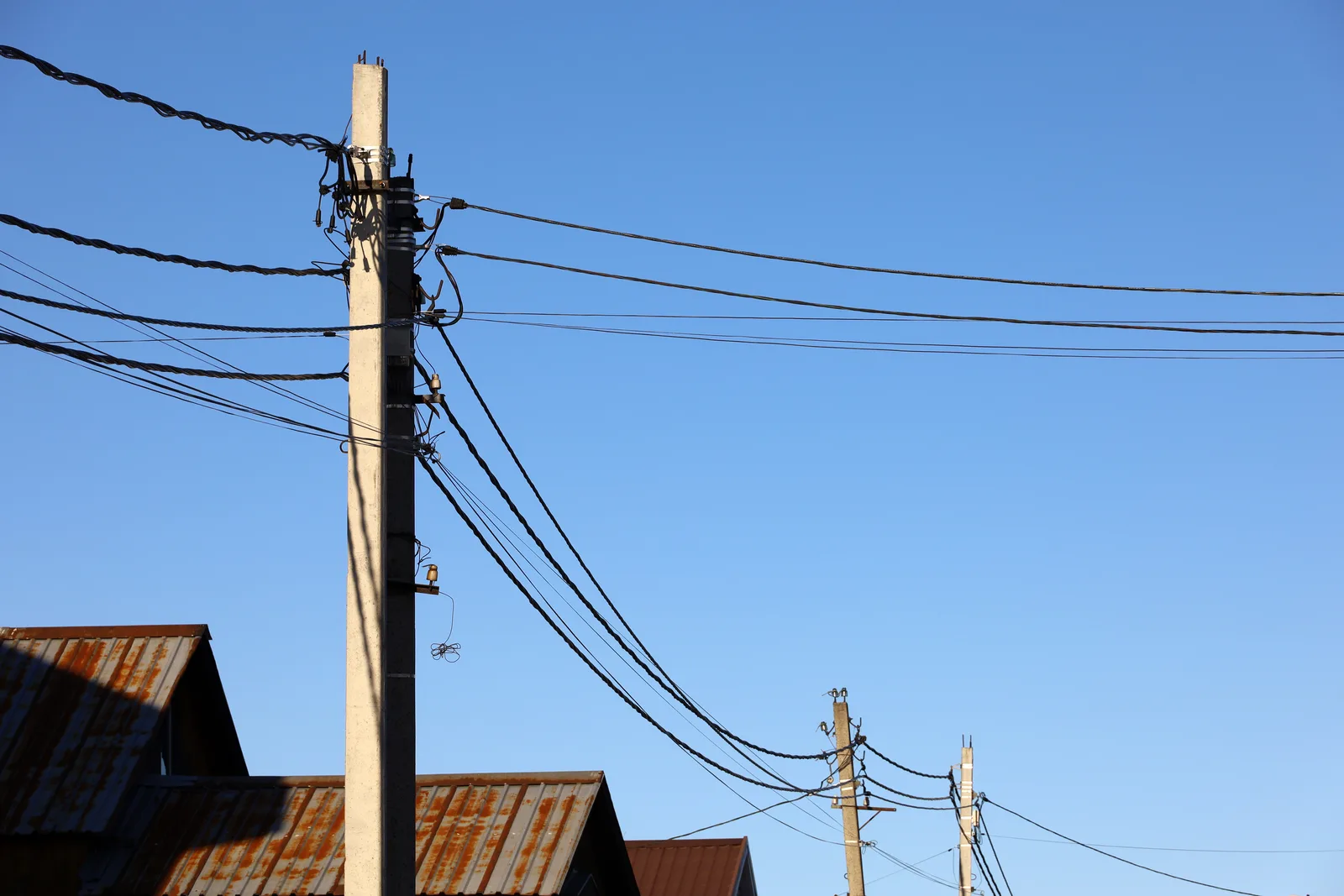
What a Failing Private Pole Actually Means
A private pole is your own pole, not Ausgrid's, and it carries the service mains onto your property. When it rots, leans, or the mains on it are damaged, this is Level 2 work under AS/NZS 3000, wiring and structure only a Level 2 ASP is licensed to touch or replace.
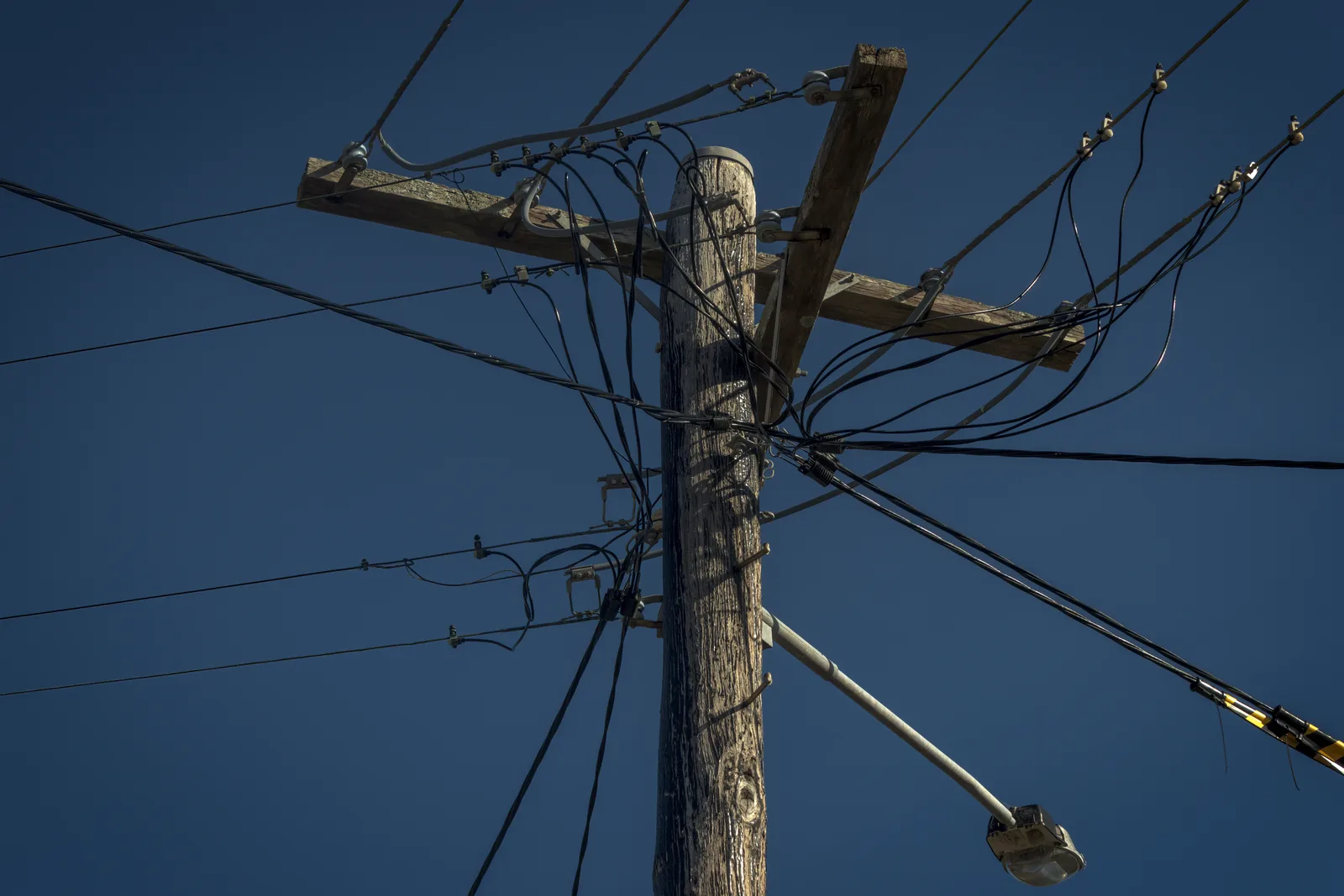
Common Causes of a Failing Private Pole in Copacabana
Timber rot at the base
Older timber poles installed during the 1960s-1980s build-out can rot at ground level, weakening the base until the pole starts to lean.
Salt-air corrosion
Constant onshore wind off the Tasman Sea corrodes steel fittings and reinforcement faster on Copacabana's exposed properties than further inland.
Storm stress and wind load
Coastal storms place ongoing lateral load on an ageing pole, and a pole already weakened by age can crack or lean after a single severe event.
Damage to the mains it carries
Even where the pole itself is sound, the service mains it carries can be stretched, frayed, or pulled loose, compounding the risk.
Ground movement around the base
Shifting or eroding soil around the pole's footing, common on Copacabana's sandy and undulating blocks, can gradually undermine its stability over time.
Is a Failing Private Pole Dangerous?
Yes, a leaning or damaged private pole is a genuine safety risk that should not be left unattended, since it can fail suddenly and the mains it carries may still be live.
- A leaning or cracked pole can fall without warning, especially in wind
- The mains on a failing pole should be treated as live at all times
- Delaying a repair increases the risk of a sudden, more dangerous failure
What To Do Right Now
While you wait for a Level 2 ASP to arrive and assess the pole, these are the only safe steps to take:
- Keep everyone, including pets, well away from the pole and the mains it carries.
- Do not attempt to straighten, brace, or touch the pole yourself.
- Move vehicles and outdoor furniture away from the area if it is safe to do so.
- Avoid the area during high wind until it has been inspected.
- Call a Level 2 ASP electrician (Lic #451348C) as soon as possible.
When To Call an Electrician for a Failing Private Pole in Copacabana
- The pole is visibly leaning, cracked, or has shifted from vertical
- You can see rot, splitting, or corrosion at the base or fittings
- The mains on the pole look sagging, frayed, or damaged
- The pole has been exposed to a recent storm or high wind event
Any of these at your Copacabana property is an urgent Level 2 job that should be assessed properly, not left until it fails completely. We respond same-day and 24/7, with $0 call-out, free quotes, and a lifetime labour warranty on every repair. See our private pole and service mains pages.
How it works
How We Fix a Failing Private Pole in Copacabana
Fault Finding
We inspect the pole's condition at the base and fittings, and assess the mains it carries, to confirm the full extent of the problem safely.
Upfront Quote
You get a fixed, transparent quote in writing before any repair, bracing, or full pole replacement work begins, so the cost is always clear upfront.
The Repair or Replacement
As Level 2 ASPs we repair or replace the private pole and reconnect the service mains to a safe, compliant standard.
Testing & Safety Check
Every repaired or replaced pole is tested and checked against AS/NZS 3000 before we confirm the property is safely and properly reconnected.
Why This Is Common in Copacabana Homes
Many private poles from the 1960s-1980s subdivision era are now reaching end of life, and constant salt spray off the Tasman Sea accelerates corrosion and timber decay faster than it does further from the coast around Erina. Sandy, undulating blocks around the lagoon flats can also add ground movement to the risk.
Failing Private Poles and Related Electrical Faults Across Copacabana
A failing private pole is often connected to storm-damaged mains and a sagging service line found on the same visit. We fix all three across Copacabana, Avoca Beach, Kincumber, and the wider Central Coast.
Failing Private Pole in Copacabana? Call Now
Call (02) 4093 0555 for same-day, 24/7 emergency response, $0 call-out, and free quotes, backed by Lic #451348C and 300+ five-star reviews across Copacabana. If it sparks, shorts, flickers or fails, we can fix it.
Common questions
Failing Private Pole FAQs
Direct answers to what Copacabana homeowners ask us about a leaning, rotten, or storm-damaged private pole.
Is a leaning or rotten private pole dangerous?
Yes. A failing pole can fall without warning, and the mains it carries may still be live, so it is a genuine safety risk to your property and anyone nearby.
What causes a private pole to fail?
Age, rot in a timber pole, corrosion in a concrete or steel pole, and storm stress all weaken a private pole until it starts leaning or cracking.
What should I do if my private pole is leaning?
Keep everyone well away from the pole and the mains it carries, do not touch anything near it, and call a Level 2 ASP electrician straight away.
Do I need a Level 2 electrician for a private pole?
Yes. A private pole and the mains it carries are Level 2 work, which only a Level 2 ASP is licensed to repair or replace.
How much does it cost to fix or replace a private pole?
It depends on the pole's condition, but every job comes with a free quote and fixed upfront pricing, plus $0 call-out for the inspection.
Are failing private poles common in older Copacabana properties?
Yes. Many private poles installed during the 1960s-1980s build-out are now reaching end of life, and salt air off the Tasman Sea speeds up the deterioration.